
Vitalism
Vitalism has historically described the belief that living organisms possess an organizing principle beyond what can be explained through physical and chemical processes alone. While modern biology understands life through mechanisms such as metabolism, homeostasis, adaptation, and self-organization, vitalism also invites a broader philosophical consideration of our relationship with the living world.
Life is not something we merely observe. We exist within it, dependent upon the same natural processes that sustain the plants, animals, and ecosystems around us. To recognize this interconnectedness is to understand health not simply as the absence of disease, but as an ongoing relationship between the individual and their environment.
Vitalism, in this sense, is not a rejection of science, but an invitation to engage more consciously with the experience of being alive.
Reclaiming Connection
Modern convenience has increasingly distanced humanity from the processes that sustain existence. Food arrives without an understanding of its origins, medicine is often separated from the plants and traditions that inform it, and the natural world becomes something to observe rather than participate in.
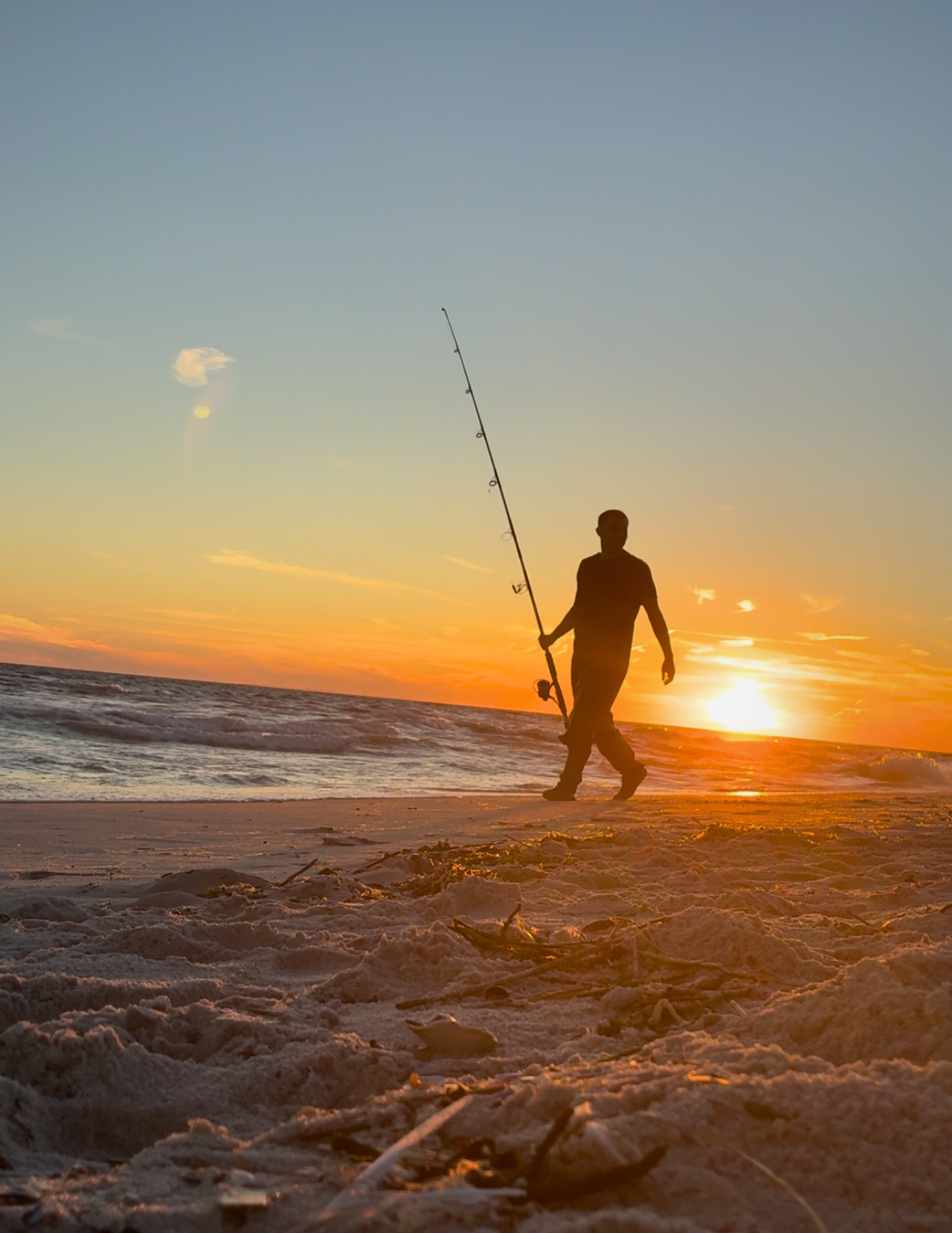
Cultivating food, gathering plants, fishing, hunting, preparing nourishment, and moving through the natural world are expressions of direct participation in life. These practices cultivate practical knowledge, self-reliance, ecological awareness, and a deeper appreciation for the responsibilities that accompany our dependence on nature.
The intention is not to reject modern life, but to reclaim meaningful participation in the processes that sustain it.
Herbal Medicine
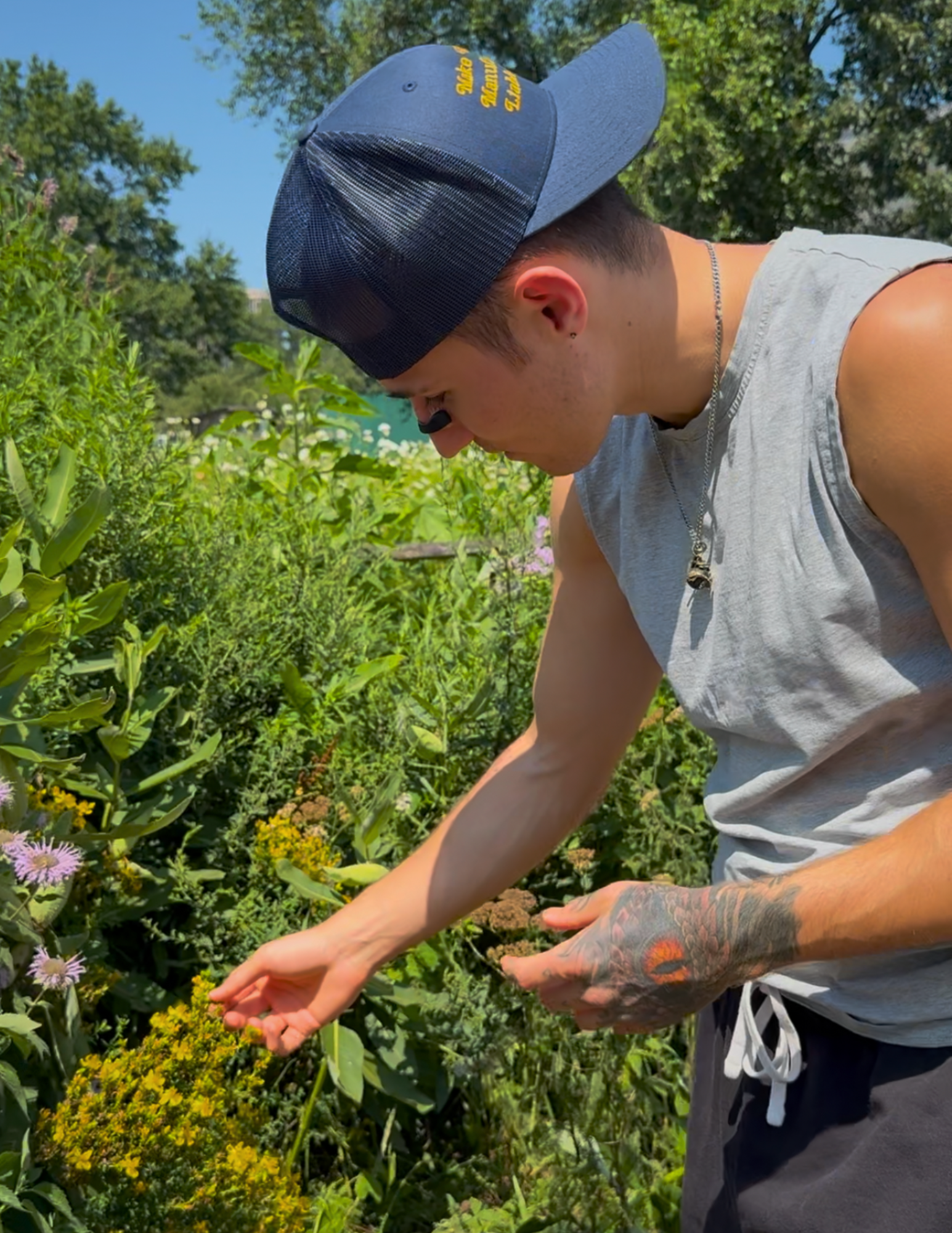
Herbal medicine is fundamentally the people's medicine. Across cultures and generations, people have developed relationships with medicinal plants through observation, experience, experimentation, and the transmission of knowledge.
This tradition represents more than the use of plants for health. It reflects humanity's capacity to observe the natural world, develop understanding, and participate actively in its own well-being.
Access to herbal knowledge should not be reserved exclusively for institutions or practitioners. Education, discernment, and responsible practice allow individuals to develop greater agency in understanding their health while recognizing the importance of scientific evidence and appropriate medical care.
To preserve and share this knowledge is to honor a longstanding human relationship with the living world, one rooted in curiosity, responsibility, and the continued pursuit of understanding.